
Knowledge Management
Better customer service through digital information provision for service technicians
How digital solutions make on-site work easier for service technicians and commissioning engineers despite the skills shortage.
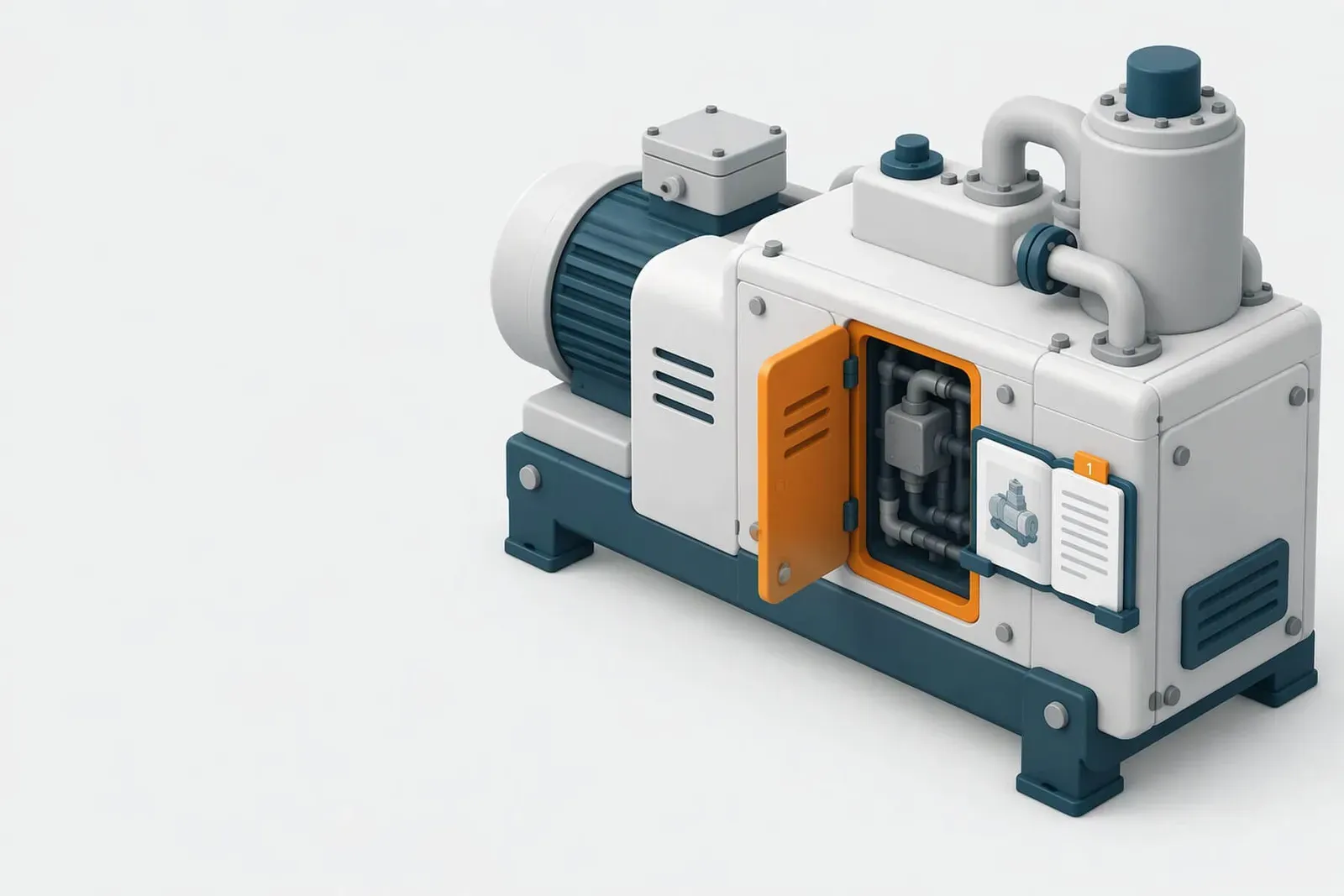
The shortage of skilled workers, increasingly complex products and demanding customers make the work of many industrial companies more difficult. This article explains how digital solutions can make life much easier for commissioning engineers or service technicians on site with customers.
How can you make better use of scarce resources in customer service?
Many companies that operate in the B2B sector and want to provide a good service to their customers face the following problem:
Customers have much higher expectations of service than in the past, good service technicians are hard to come by, and products are becoming more complex with new technologies. Accordingly, the demands on people in service are also increasing. Machines used to be completely mechanical, but nowadays they combine mechanics, electrics and software.
Most companies have more than full order books for service technicians and commissioning engineers, but long queues on the customer side because they lack the human resources to process them appropriately.
- workers retiring and leaving a gap
- 4–6 million
- period in which this gap will open up
- 15 years
To put the problem in numbers: Over the next 15 years, there will be a gap of 4–6 million workers retiring. This gap will have to be filled by younger and thus often more inexperienced forces. In order to get an overview of the existing knowledge as quickly as possible, knowledge management tools such as internal company search engines can help to make the existing knowledge visible.
This is also the case for service technicians.
The challenge for service technicians on site
Service technicians and commissioning engineers have the task of putting company equipment into operation or repairing defective equipment. In doing so, they are often faced with the challenge of dealing with old models or newer but more complex machines. If the technician is on site, he must be able to rectify and solve problems as quickly as possible. To do this, he needs well-founded specialist knowledge, in a depth that can often only be achieved with years of experience.
However, in order to correctly interpret certain error (codes) and repair them accordingly, the technician needs appropriate access to:
- best practices
- guidelines
- product data sheets
- operating manuals
- project information
However, these are usually stored in a very decentralized manner – they are located on network drives, the intranet, SharePoint or in other tools.
Finding the right information is then a task in itself – long clicks through folders, phone calls with office staff and other colleagues are not uncommon and ultimately cost the customer a lot of money. And if the service technician can’t find the right solution quickly enough, the company has to send out another technician the next day – which makes it even more expensive for the customer.
Not only is the customer then dissatisfied with the service he has probably been waiting for, but the contractor has also missed the opportunity to serve more customers, potentially putting a good reputation at risk in the medium term.
How do service technicians get more knowledge?
To provide the right knowledge, today there are intelligent search solutions that analyze the existing knowledge across different data sources and make it available to the technician when he needs it.
For example, it doesn’t matter to the technician whether he needs information about an old machine that may have come from scanned documents and is stored on the network, or whether it is stored in various file formats such as explainer images or videos. With a search engine, such information can be found without having to make phone calls to office staff or colleagues.
Advantages for technicians and companies
The technician can focus on his core task – repairing and commissioning machines. The more modern the solution, the greater the focus on the so-called user experience – in other words, easy and intuitive operability. This means:
- Many of the tedious processes are automated.
- User interfaces are designed to be streamlined and modern.
- Where it makes sense, new, often AI-based technologies process the information better and faster.
The company benefits by enabling technicians to work faster and empowering new employees more quickly to repair machines themselves with specific knowledge.
Prerequisites for solutions
What are the prerequisites for making such solutions usable for companies?
Two things are important here – the will and courage of the decision-makers to initiate digitization in the service area as well, and then to bring the technician on board early on and involve him in the decision-making process. As with every successful introduction of a new tool, it is primarily about the employee and his processes and only secondarily about the solution.
Technical solutions today are variable and adapt to different conditions to a certain extent. This can be used to optimize one’s own processes, make them more efficient, and thus (gain) an advantage over the competition.
This article was first published on MoreThanDigital.Info and can be read here.
Do you find our content interesting?
Frequently asked questions about customer service and service technicians
Why are the demands on service technicians increasing?
Customers have much higher expectations of service than in the past, good service technicians are hard to come by, and products are becoming more complex with new technologies. Machines used to be purely mechanical; today they combine mechanics, electrics and software.
What information do service technicians need on site?
To correctly interpret error codes and carry out repairs, they need access to best practices, guidelines, product data sheets, operating manuals and project information. These are usually stored decentrally on network drives, the intranet, SharePoint or in other tools.
What does it cost when technicians can’t find information quickly?
Clicking through folders and calling office staff and colleagues ultimately costs the customer a lot of money. If the technician can’t find the solution quickly enough, another technician has to be sent out the next day, which makes it even more expensive and can put the company’s reputation at risk.
How do intelligent search solutions help service technicians?
They analyze the existing knowledge across different data sources and make it available when the technician needs it, whether it comes from scanned documents, explainer images or videos. Information can be found without phone calls to office staff or colleagues.
What are the prerequisites for introducing such solutions?
The will and courage of decision-makers to initiate digitization in service, and involving technicians in the decision-making process early on. It is primarily about the employees and their processes and only secondarily about the solution.